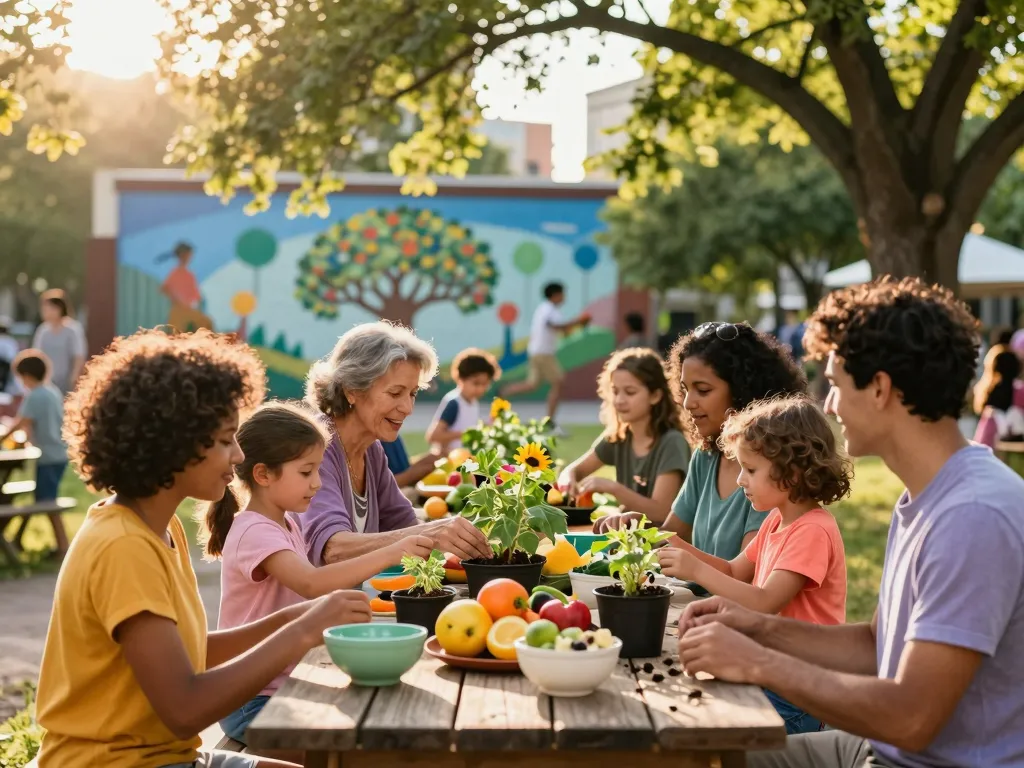
Building a Strong Community Network
Creating a robust community network is essential for fostering relationships, sharing resources, and enhancing social well-being. Here’s a step-by-step guide to help you build and maintain an engaged community network.
Subsection 1.1: Identifying Your Community Goals
Before you can build your community network, you need to define what you want to achieve. Follow these steps:
- Reflect on Your Interests: What are your passions? This can range from environmental sustainability to local arts and culture.
- Assess Community Needs: Conduct surveys or hold focus groups to understand what your community members value most.
- Set Clear Objectives: Write down specific, measurable goals. For example, “Increase local event attendance by 25% in six months.”
Subsection 1.2: Engaging Community Members
Engagement is key to maintaining a vibrant community network. Here’s how to do it:
- Host Events: Plan regular community gatherings, such as potlucks or workshops, to foster interaction.
- Create Online Platforms: Use social media groups or community forums to engage members digitally.
- Encourage Participation: Invite community members to share their skills by leading workshops or discussions.
Subsection 1.3: Utilizing Local Resources
Leverage existing resources to bolster your community network:
- Partner with Local Organizations: Collaborate with schools, libraries, and nonprofits to co-host events.
- Seek Sponsorships: Approach local businesses for sponsorships or donations to support community activities.
- Access Public Resources: Use municipal resources such as community centers for meeting spaces.
Effective Communication Strategies
Clear communication is vital for any community initiative. Here’s how to establish effective communication strategies:
Subsection 2.1: Choosing the Right Communication Channels
Different channels serve different purposes. Here’s a practical approach:
- Assess Audience Preferences: Use surveys to identify how your community prefers to communicate—email, social media, or in-person meetings.
- Utilize Multiple Platforms: Don’t rely on a single channel; use a mix of email newsletters, social media, and community boards.
- Establish Regular Updates: Schedule weekly or monthly updates to keep everyone informed about community news and events.
Subsection 2.2: Crafting Clear Messaging
Effective messaging ensures your ideas are understood. Here’s how to craft clear messages:
- Be Concise: Use simple, direct language and avoid jargon to ensure everyone understands your message.
- Highlight Key Information: Use bullet points and headings to make important information stand out.
- Encourage Feedback: Ask for feedback on your communications to understand what works and what doesn’t.
Subsection 2.3: Building Trust Through Transparency
Transparency fosters trust within your community. Here’s how to implement it:
- Share Decision-Making Processes: Involve community members in decisions and share how decisions are made.
- Be Open About Challenges: Discuss challenges and setbacks openly to build credibility and trust.
- Provide Regular Financial Updates: If applicable, share how funds are allocated to ensure financial transparency.
Creating Meaningful Community Programs
Meaningful programs can significantly enhance community engagement. Here’s how to create them:
Subsection 3.1: Assessing Community Interests
Understanding what your community wants helps tailor programs effectively. Here’s how to assess these interests:
- Conduct Surveys: Use online tools or paper surveys to gather information about community interests.
- Host Brainstorming Sessions: Invite community members to discuss ideas for potential programs.
- Analyze Local Trends: Research what programs have been successful in similar communities.
Subsection 3.2: Designing Inclusive Programs
Inclusivity ensures that all community members feel welcome. Here’s how to design inclusive programs:
- Invite Diverse Voices: Ensure people from different backgrounds and perspectives are involved in program planning.
- Provide Accessibility Options: Consider physical accessibility and language needs when planning events.
- Gather Feedback Post-Event: Solicit feedback from participants to improve future programs.
Subsection 3.3: Implementing and Evaluating Programs
Implementation and evaluation are critical steps in program management. Follow these steps:
- Develop a Clear Timeline: Create a timeline for program implementation, outlining tasks and responsibilities.
- Use Data to Measure Success: Collect data on attendance, engagement, and feedback to evaluate program effectiveness.
- Adapt Based on Results: Be ready to pivot or modify programs based on community feedback and evaluation results.
Fostering Community Leadership
Developing community leaders is essential to sustaining a community network. Here’s how to foster leadership:
Subsection 4.1: Identifying Potential Leaders
Recognizing individuals with leadership potential is the first step. Here’s how to identify them:
- Look for Active Participants: Note who regularly attends events and contributes ideas and feedback.
- Assess Skills and Strengths: Identify individuals with skills that could benefit the community, such as organization or public speaking.
- Encourage Leadership Opportunities: Offer community members the chance to lead projects or initiatives.
Subsection 4.2: Providing Leadership Training
Training helps potential leaders develop necessary skills. Here’s how to provide effective training:
- Organize Workshops: Host workshops focused on skills like conflict resolution, public speaking, and project management.
- Mentorship Programs: Pair emerging leaders with experienced mentors for guidance and support.
- Encourage Community Involvement: Foster a culture where leadership is celebrated, and community members are encouraged to step up.
Subsection 4.3: Recognizing and Celebrating Leaders
Recognition motivates community leaders. Implement these strategies:
- Acknowledge Publicly: Regularly recognize contributions through social media shout-outs or community newsletters.
- Host Appreciation Events: Organize events to celebrate community leaders and their achievements.
- Provide Development Opportunities: Offer opportunities for further training and growth to keep them engaged.
Enhancing Community Resilience
Building resilience in your community ensures it can withstand challenges. Here’s how to enhance resilience:
Subsection 5.1: Identifying Vulnerabilities
Understanding the risks your community faces is the first step to resilience:
- Conduct a SWOT Analysis: Analyze your community’s strengths, weaknesses, opportunities, and threats.
- Engage with Local Experts: Collaborate with local organizations to identify and assess vulnerabilities.
- Gather Community Input: Involve community members in discussions about potential risks and vulnerabilities.
Subsection 5.2: Developing Emergency Plans
Having a clear emergency plan is crucial for resilience. Here’s how to develop one:
- Create a Response Team: Assemble a group of community members responsible for leading emergency efforts.
- Outline Procedures: Develop and document procedures for different emergency scenarios, such as natural disasters.
- Conduct Drills: Regularly practice emergency procedures to ensure everyone knows their roles.
Subsection 5.3: Promoting Mental Health and Well-being
Community resilience also relies on the mental health of its members. Here’s how to promote well-being:
- Organize Mental Health Workshops: Offer resources and workshops focusing on mental health awareness and coping strategies.
- Encourage Social Support: Create spaces where community members can share their experiences and support one another.
- Provide Access to Resources: Partner with local mental health professionals to provide resources to the community.